Tuesday, April 15, 2014

Literature and the Common Core


The Common Core standards’ emphasis on informational text has left many ELA instructors concerned that they will have to eliminate many fiction classics from their curriculums. A recent article in the Huffington Post  illustrates the confusion and concern many English teachers have expressed. As lovers of literature, you want to ensure that your students are exposed to a broad range of great literature, but you're ultimately bound to the standards imposed by your districts. Despite assurances that other subject area teachers will be responsible for incorporating informational text to allow English teachers more time for literature, many English teachers feel the responsibility for meeting reading standards will ultimately fall on them.


Reading Literature, a new series from Prestwick House, was created to help teachers simplify the transition to Common Core. By providing a dozen poems and short stories along with questions that address specific Common Core standards, Prestwick House is helping English teachers continue offering a range of great literature in the time they have allotted. In the time it would take to read a single novel, students can be exposed to the works of a dozen authors. The pointed questions, which reference the particular standard being addressed, assist busy teachers with lesson planning during this confusing period.

Monday, April 14, 2014

What is effective vocabulary instruction?

There are so many different vocabulary instruction strategies out there, it’s hard to find the perfect one for your students. This article from Joan Sedita discusses the research as to what methods are the most effective.

“In its analysis of the research on vocabulary instruction, the National Reading Panel (2000) found that there is no one best method for vocabulary instruction, and that vocabulary should be taught both directly and indirectly. Direct instruction means teaching specific words… It is estimated that students can be taught explicitly some 400 words per year in school (Beck, McKeown, and Kucan, 202) Another example of direct instruction involves the analysis of word roots and affixes (suffixes and prefixes)….

‘The studies reviewed suggest that vocabulary instruction does lead to gains in comprehension, but that the methods must be appropriate to the age of the reader…’

Root-based vocabulary instruction has been the domain of middle and high schools for a long time, but it’s been hard to find appropriate instruction for grades 4-6. Growing Your Vocabulary: Learning from Latin and Greek Roots makes it not only possible, but fun. Find out more at PrestwickHouse.com.

Sunday, April 13, 2014

Open your students' minds to the wonders of literary nonfiction


The English Language Arts game has changed with the new CCSS’s and left many struggling with what texts to use and how to teach them. While the standards set grade-specific goals, they’re not exactly clear about how they should be taught or which materials should be used. This video from the Hun Institute discusses what literary nonfiction is and how the CCSS expect you to address nonfiction.


If you're looking for a  single comprehensive book that makes teaching informational texts easy, Reading Informational Texts is your one-stop source for teaching literary nonfiction.

Tuesday, April 8, 2014

Leading by example- a method of teaching Writing for the Common Core State Standards


Almost seven years ago, the NCTE published a guideline for writing that still rings true today in the world of Common Core. The  NCTE's Beliefs About The Teaching of Writing, is inspiring and interesting reading that should guide all writing teachers as they work to make a cohesive writing program.

“Students should become comfortable with pre-writing techniques, multiple strategies for developing and organizing a message, a variety of strategies for revising and editing, and strategies for preparing products for public audiences and for deadlines. In explaining assignments, teachers should provide guidance and options for ways of going about it. Sometimes, evaluating the processes students follow -- the decisions they make, the attempts along the way -- can be as important as evaluating the final product.”


If you're looking for a writing program that provides students with well-defined expectations as they move from year to year, gives teachers a clear, methodical course that will integrate seamlessly into their curriculums, and takes the mystery out of the Common Core's expectations without losing the true focus why writing is so important, check ouCollege and Career Readiness: Writing Sample Paget College and Career Readiness: Writing. 
 
Take a look at some sample pages here and request your free sample today.


Image courtesy of [stockimages] / FreeDigitalPhotos.net

Monday, April 7, 2014

The Challenges of Lesson Planning


Adding a new book to your curriculum can be an exciting but daunting task. I found a recent survey that asked teachers to list their biggest challenges when creating lesson plans. It’s no surprise that over half of the teachers surveyed said the most significant obstacle is time.

“Overwhelmingly, teachers said they do not have enough time during the day to prepare for lessons and often work in the evening and on weekends to get ready. As one teacher put it, ‘With more demands from state and district assessments and increased testing (hence grading), there never seems to be enough time to focus on planning and preparation.’ "

Although time is a huge factor, teachers listed several other considerable challenges to lesson planning. Check out the full survey at http://www.frontlinek12.com/Pages/Blog/5_Things_Your_Teachers_Want_You_To_Know.html

Then, check out our CompleteTeacher's Kits for the most comprehensive collections of ready-to-use teaching resources available anywhere. They will help you overcome the many challenges of lesson planning, and most importantly, they will give you the time to do the things you love about being a teacher.

Friday, April 4, 2014

Top Ten Nonfiction Books for High Schools

Night by Elie Wiesel Paperback Book
Today a customer e-mailed us saying that her class loved Elie Wiesel's Night and asked us for a few other suggestions for nonfiction books-- especially memoirs -- that could be used in her class. I used this opportunity to do some research into the most popular nonfiction books that we sell each year. Because of the new emphasis on informational texts in the Common Core and other standards, I thought I'd share what I found.

I've included our recommended grade levels for each, but please note that these are just suggestions. Every school has different ideas of what book should be taught at what grade.

Top 10 Best-Selling Nonfiction Paperbacks

1. Night by Elie Wiesel - No surprise here. Every year more and more teachers choose Night. Grade: 9/10

2. Into the Wild by Jon Krakauer - The story of a young man who abandons everything and walks into the wilderness to die mysteriously has become a real classroom favorite. Grades 9/10

3. Narrative of the Life of Frederick Douglass by Frederick Douglass - The memoir of a man who was born a slave only to become one of the most influential Americans is a Common Core Exemplar text for 6th, 7th, and 8th grade, but we feel that it would be appropriate in many high schools as well.

4- Tuesdays with Morrie by Mitch Albom - This short nonfiction book is an easy read and leads to fantastic classroom discussions. Grades 6/7/8

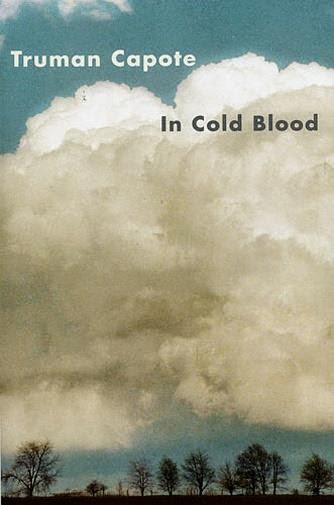
5- In Cold Blood by Truman Capote -The story of a murder in the mid-west has become the standard by which literary journalism and crime novels are judged.Grades 11/12
In Cold Blood by Truman Capote Paperback

6- The Freedom Writer's Diary by Erin Gruwell - When a teacher takes a group of at risk students and teaches them a variety of memoirs like A Child's Life in Sarajevo and Anne Frank, she inspires all of them to graduate and go on to college. Grades 9/10

7- Fast Food Nation by Eric Schlosser- A personal favorite of mine, this examination of the entrenched place of fast food in our society is both intriguing and educating. Grades 10/11/12

8- Angela's Ashes by Frank McCourt - The story of a poor boy growing up in Ireland won the Pulitzer. Grades 9/10. (If we ever meet, ask me about the time Doug Grudzina and I almost stole his limo.)

9- Freakonomics - This book takes a look at a variety of unusual subjects -- from cheating on tests to drug dealers -- using the tools of economics. Some of the topics are a bit controversial such as discussions of drugs and abortion, so it's not right for every school, but for the right class, this could be a very fun unit. Grade 10/11

10- The Color of Water by James McBride- The true story of an immigrant Russian Jew who married an African American was highly recommended by our Publishing Editor. Grade 9/10


Tips from a Tech Teacher- How Common Core is Changing the Classroom


Common Core State Standards are changing the classroom you grew up with, but more importantly, they are changing the ones you teach in. Even if your particular state hasn’t adopted the official Standards, the impact of CCSS will likely be significant. One of the most important aspects in the new Standards is the emphasis on students providing evidence for their answers.

"An increase in rigor–Accountability will be expected of students and teachers. Too often, passing a test was all the assessment that was expected. CCSS will look for more–transfer of knowledge evidence of learning, student as risk-taker, authenticity of lessons, vertical planning, learning with increasingly less scaffolding and prompting, and differentiated instruction so all learners get it."

Jaqui Murray, a technology teacher, addresses this focus, as well as six others in her article in Ask a Tech Teacher. Ms. Murray has ” collected over 900 articles on all aspects of teaching technology in the 21st Century classroom,” so the site has a great deal of potentially valuable information

A forthcoming four-book series by Prestwick House affords high school English teachers the opportunity to make sure students will succeed on the Reading Literature portion of the new Standards.